The promise of AI to organizations is very alluring. AI adoption in companies has increased from 50% in 2022 to nearly 90% today. Organizations are racing to deploy AI not only in their products and services, but also in the systems and processes that affect employees’ livelihoods and futures, including hiring, learning and career advancement. Unsurprisingly, while many people are justifiably worried about the risks that AI poses to the environment and society more broadly, they are increasingly anxious about the risks that AI poses to their jobs and the workplace.
In the race to capitalize on the promise of AI, organizations often underestimate the vital importance of building a workplace that promotes fairness and equal opportunity and a workforce that trusts AI, questions it, governs it and uses it responsibly. Leaders cannot approach AI merely as an efficiency and cost-saving tool but must ensure they are future-proofing their organization by making meaningful investments in their employees. AI can either widen inequality or expand opportunity, and the decisions companies are making now will determine whether the organization itself and their employees win or lose from AI adoption.
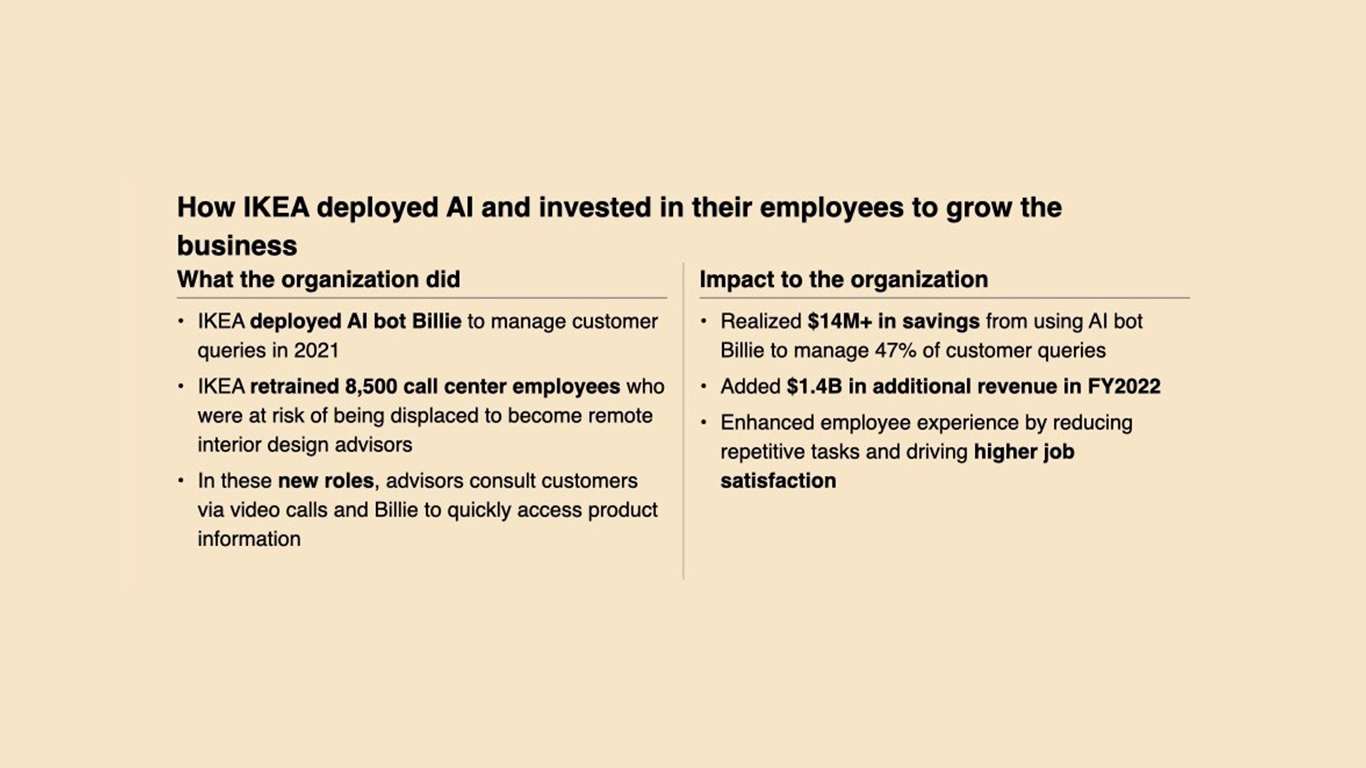
Exhibit 1 source. Reid, Helen. “IKEA bets on remote interior design as AI changes sales strategy” Reuters. 13 June 2023
Over the past several years, organizations have navigated similar workforce transformations, from record levels of employee mobility and shifting expectations on work flexibility, to declining engagement and rising concerns about burnout and wellbeing. In response, HR was asked to move from being primarily a support function to becoming more of a strategic nerve center, ensuring fairness and inclusion are embedded into the work of the business, sustaining organizational culture and maintaining employee trust.
Yet as AI reshapes the workplace, there is a growing risk that HR is being sidelined at precisely the wrong moment. Research from Stanford’s Human Centered Artificial Intelligence Institute shows that responsibility for AI governance still sits primarily within technology functions at most organizations. When decisions about tools that influence hiring, learning and career advancement are led without including HR leaders who are responsible for managing the employee lifecycle, or led without centering employees, the workforce implications are underestimated, often unaddressed, or addressed too late.
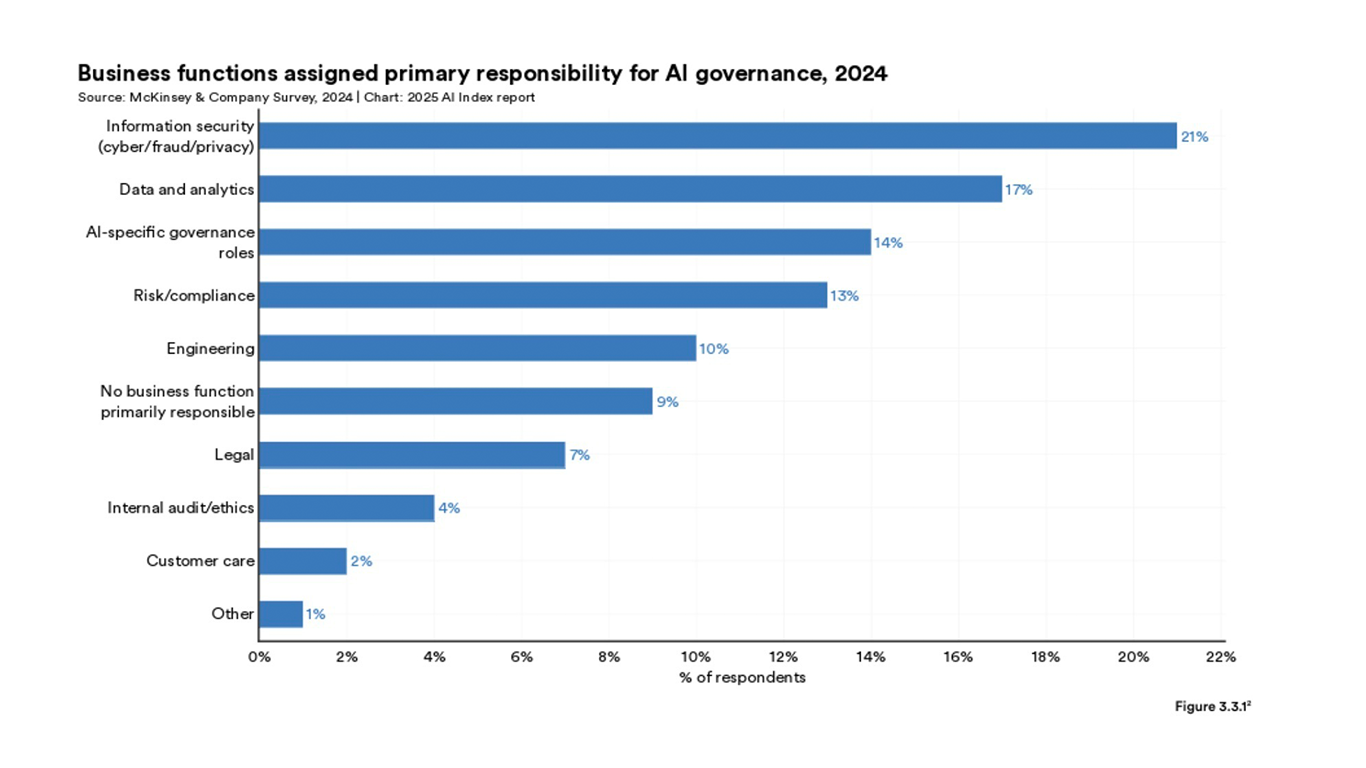
Exhibit 2. Stanford Human Centered Artificial Intelligence Institute
At a time when the nature of work itself is being redefined at a rapid pace, organizations need HR in the center, not at the margins, of the AI conversation.
To better understand and confront these challenges head on, the W.K. Kellogg Foundation’s Expanding Equity initiative brought together 40 senior HR leaders from 15 major organizations across industries for an ambitious action-oriented workshop series on the future of people-centered AI. These were not theoretical discussions. Many participants oversee large frontline workforces where the impact of AI is immediate, significant and deeply human. Together, they pressure-tested real AI use cases, debated difficult tradeoffs, examined emerging risks to employees and began to apply responsible people-centered policies, practices and processes in an AI-enabled workplace.
The energy was palpable. Over the course of four months, leaders in the cohort shared powerful examples of AI opening new pathways for frontline workers, accelerating career mobility and improving the employee experience at scale. At the same time, they spoke candidly about the tensions they are navigating, from fragmented AI governance and uneven reskilling investments to inadequate change management leadership and rising employee anxiety. An overwhelming majority of our cohort shared how integrating AI into talent acquisition and learning and development are a priority, but they are still trying to crack the code on how to do it fairly and inclusively.
What all of the participating companies held to be true is that an organization’s AI transition will not be defined by a single tool or policy, but rather it will be shaped by experiences across the employee lifecycle.
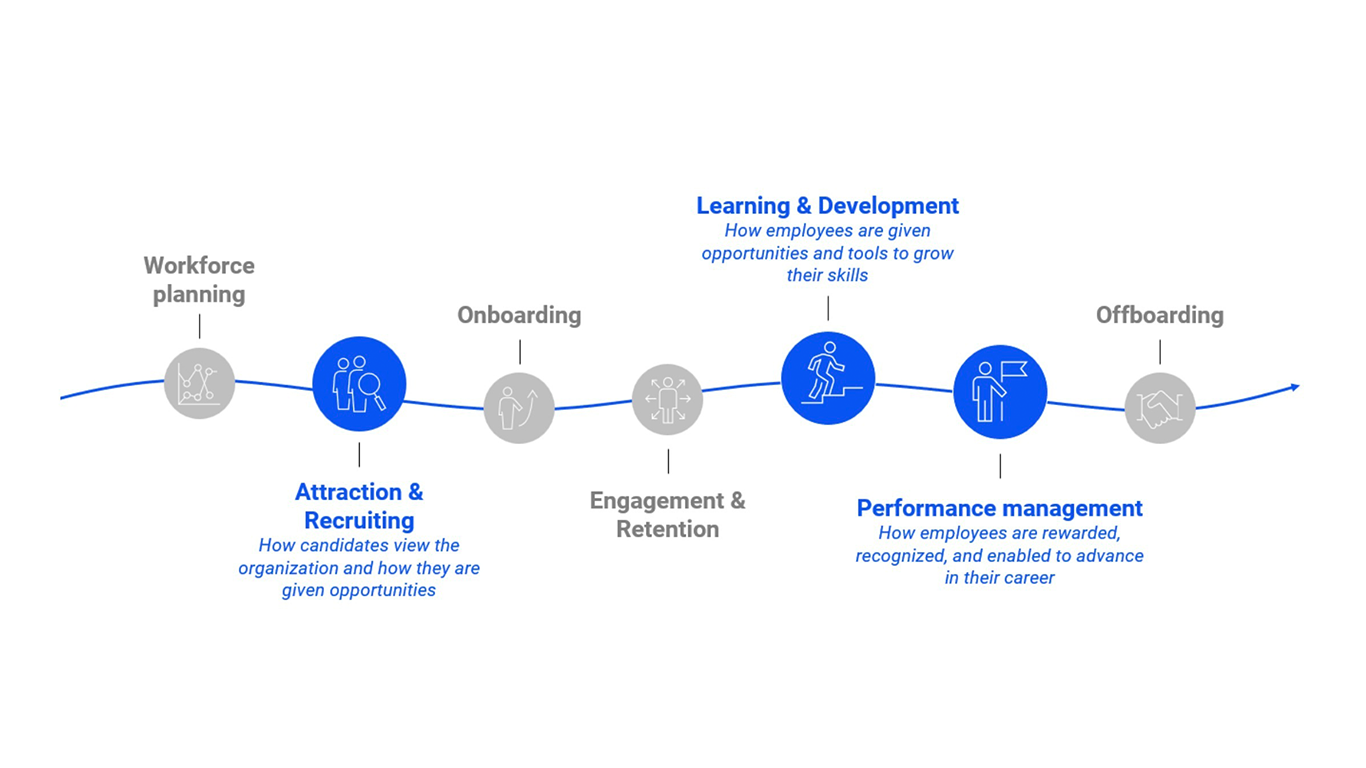
Exhibit 3. Where AI is already disrupting the employee lifecycle
Through conversations with HR leaders, three pivotal areas surfaced where AI is already disrupting the employee experience and will have significant implications for the future of the workforce:
- Attraction & Recruiting. AI is rapidly reshaping how organizations attract, source, screen and hire talent. The choices leaders make now will determine whether these tools expand access to opportunity for all employees or not.
- Learning & Development. AI has the power to democratize skill development and personalize growth at scale. Without intentional governance, however, it can widen capability gaps instead of closing them and leave employees at a disadvantage for being promoted or at risk of being laid off.
- Performance Management. As AI moves into feedback, promotion and succession decisions, it can begin to influence how employee contribution and potential are defined and evaluated, as well as how opportunities to lead and advance are dispersed. Organizations must ensure AI systems augment human judgement rather than replace it, essentially keeping humans in the loop and in the lead.
Employee Lifecycle: Attraction & Recruiting
Many of our HR leaders shared that attraction & recruiting (i.e., talent acquisition) is becoming the first proving ground for AI in HR. It is no longer just about filling roles faster. AI is fundamentally reshaping who gets seen, who gets screened in and who gets left out. For many organizations, especially those with large frontline workforces, and more inherent turnover, AI in recruiting is not a pilot. It is already rewiring the front door of the enterprise.
Consider an effort to use AI for initial resume screening underway by a global financial institution in Expanding Equity’s cohort. This organization needs to screen ~10K applications every summer on a short timeline. Recruiters had been manually reviewing resumes, limiting the number of resumes they could reasonably screen. HR leaders saw an opportunity to expedite this process through AI-enabled processes with strong guardrails in place. This effort is not only intended to expand staff capacity, but also to surface the best talent and reach diverse candidate pools beyond the typical “source schools.” From initial pilot testing, recruiters have expressed excitement at how they can leverage this tool as an assistant that provides a starting point from which they can then evaluate and build upon with their human expertise and judgement.
Other forward-looking organizations are seeing similar effects of thoughtful, well-intentioned AI enablement: a global U.S. logistics organization in Expanding Equity’s cohort shared how a suite of AI tools helped them not only shrink the timeline to recruit thousands of critical seasonal frontline workers but also enable them to more successfully engage these employees in the onboarding process. Shorter timelines and better engagement led to greater candidate retention. As a result, during their peak season, they were able to fulfill demand more effectively while also improving the employee experience.
When thoughtfully deployed, AI-enabled tools can accelerate and enhance hiring, widen access to talent and create a more responsive candidate experience. At the same time, disparities in outcomes, flawed training data, weak data governance, and accommodation compliance gaps can introduce adverse consequences for employees and organizations in the hiring process.
In competitive talent markets, speed and precision matter. But when AI shapes who gains access to opportunity, the stakes are higher and paying attention to fairness more than efficiency alone is required. The upside must be balanced with clear and robust guardrails. That means transparent screening and decision criteria, regular audits of outputs, strong data governance and meaningful human judgement in the oversight of hiring-related decisions.
When piloting their AI resume screening tool, the global financial institution was very mindful of the potential unintended consequences of using AI. They are designing strong parameters around how the AI screening tool should (and should not) be used, as well as the data sources the tool draws from. They are centering their recruiters’ experiences and designing with the outcome in mind – surfacing the best talent for the firm, not merely focused on the most efficient process. To ensure their recruiters’ expertise and judgement continue to lead the hiring process, AI-outputs are calibrated against recruiters’ and business leaders’ independent review of resumes. The HR team is also actively partnering with their IT and legal functions to ensure rigor from a technical and compliance perspective as well.
AI can absolutely widen the front door of the organization for more employees. And with the right parameters in place, it can do so in ways that both surface high performing talent and mitigate unfair treatment.
People-Centered AI in Attraction & Recruiting
Three practical ways to get started
- Make a list of candidate pools most impacted by the roll out of AI hiring tools (e.g., warehouse stockers) and potential risks to mitigate
- Create and provide clear guidelines to hiring managers and recruiters on how to use (and not use) AI in the hiring process
- Audit the training data and screening criteria used in AI recruiting tools to identify and address potential biases
Employee Lifecycle: Learning & Development
Learning & development is emerging as a space where HR is beginning to identify long-term transformational impact. Unlike AI in attraction and recruiting, which impacts who enters the organization, AI in learning and development can influence which skills are deemed valuable and employable and how those skills are developed and deployed.
HR leaders in the Expanding Equity cohort see enormous potential in applying AI to employee capability building, beyond merely driving organizational efficiency. Not only did the cohort share real excitement around hyper-personalized and real-time coaching and integrating learning agents into the flow of day-to-day work, but they also shared how they are actively supporting AI learning within their organizations. A global leader in manufacturing is developing organization-wide leadership ‘behavior anchors’ to drive people-centered AI capability building. These anchors define the critical behaviors, mindsets, and approaches that individuals across the organization can learn and embody. This initiative ensures that AI is not just being adopted at scale, but in a way that is employee-centered.
Bank of America has publicly shared the impact of its learning academy, which is using AI to make learning and development more hands-on and scalable. Through AI-powered conversation simulators, employees can rehearse real client interactions in a low-risk environment, getting interactive coaching and real-time feedback that builds proficiency through repetition. In the past year, employees completed over 1 million simulations with many reporting that practicing these conversations helped them deliver better, more consistent service. With AI, employees are being empowered to continuously skill-build, while leaders are getting a clearer line of sight from learning to impact.
When thoughtfully designed, AI-powered learning and development can close skill gaps before they become business risks and open pathways before roles become obsolete. AI can also surface skill adjacencies between roles and expand access to development opportunities, particularly for frontline employees who have historically had limited growth pathways.
AI has the potential to democratize development and expand access to learning at scale. But without intentional design, AI can just as easily reinforce existing disparities, channel investment toward employees who already have access to a wide array of opportunities or steer learning in ways that are disconnected from strategic priorities.
Learning cannot be left to algorithms alone. Strong governance requires regular review of how AI systems recommend and deliver learning, audits of AI-generated content, transparency in how upskilling resources are allocated and clear alignment between AI- driven upskilling, organizational values and long-term business strategy and talent needs. Ultimately, human expertise and judgement must continue to lead the way in developing and training the next generation of talent.
People-Centered AI in Learning & Development
Three practical ways to get started
- Identify parts of the organization with minimal access to AI tools and organizational readiness for AI adoption and share with executive team
- Establish a closed-loop feedback system for employees to surface problems and improvement ideas for AI-generated learning content
- Create guardrails for how, when, under what conditions learning content can be AI-generated
Exhibit 5. Three ways to start driving more people-centered AI in Learning & Development
Employee Lifecycle: Performance Management
If attraction and recruiting determines who enters the organization, and learning and development shapes who grows at the organization, then performance management determines how employee contributions are valued and rewarded.
HR leaders in the Expanding Equity cohort shared how they are approaching this shift with both ambition and caution. They see powerful opportunities to use AI to surface overlooked talent, personalize career advancement and bring greater consistency and deeper insights to feedback and evaluations. But they also recognize that when algorithms inform feedback, promotion and succession decisions, the negative implications for fairness, accountability and trust are profound.
One beverage distributor in the Expanding Equity cohort has recognized the potential to harness AI for performance management while ensuring there are robust safeguards in place. Performance reviews can be a laborious, highly administrative process where people leaders need to summarize notes, communications, and previous work examples. Recognizing the potential to use AI to support people managers, while remaining cautious about the potential risks, this organization is providing managers with guidance on how to use (and not use) AI in the performance review process. The organization is emphasizing to people leaders the importance of using their own critical thinking skills to ensure that the final performance evaluations for their employees are accurate. They also provide tactical examples of AI prompts that are more robust and helpful. By acknowledging both the potential and risks of using AI, organizations can drive more people-centered AI use, especially in highly sensitive processes like performance management.
When you zoom out, other opportunities for AI become evident: for example, AI can make hidden talent visible. One large retailer in the Expanding Equity cohort has deployed AI to support succession planning and found it identified employees who may have been overlooked previously, either due to tenure in the job or because their role wasn’t considered part of a traditional “succession pathway.” Simultaneously, the cohort is already looking ahead to the next challenge: what does it take to set expectations and manage performance when teams include both people and AI agents?
Leaders are clear that judgment about an employee’s performance cannot be outsourced to algorithms; it must be led by people leaders. While AI can help synthesize feedback or identify patterns, delegating evaluative decisions to automated processes risks oversimplification, inhibition of equal opportunity and weakened managerial accountability. The concern is not the use of AI itself, but the erosion of human ownership in performance decisions that shape careers and livelihoods.
Forward-looking organizations are not responding by banning these AI tools. Instead, as we heard from several members of the cohort, they are establishing clear guardrails, defining where AI can augment insight and emphasizing how human judgment must remain central. In performance management, the goal is not automation. It is supporting humans to better assess employees and ultimately reward, advance and retain top talent across the organization.
People-Centered AI in Performance management
Three practical ways to get started
- Standardize AI prompts that support managers with consolidating feedback and drafting performance evaluations in a rigorous and reliable way
- Set clear guardrails for when and how AI can support performance evaluations, with final judgment owned by people leaders
- Integrate existing evaluations guidance (e.g., bias checking) into AI tools to ensure evidence-based, consistent and fair evaluations
Exhibit 6. Three ways to start driving more people-centered AI in Performance management
AI is no longer confined to a one-off use case or a future ambition. It is actively reshaping systems and decisions around who gets hired, whose skills remain relevant, and how performance is judged. Decisions that once unfolded over weeks, months, years are now embedded in algorithms that operate at scale and evolve in real time. Every organization is making choices, intentionally or not, about how opportunity, learning and advancement will be distributed in the Age of AI.
This moment demands more than HR leaders focused on AI adoption. It demands responsible stewardship and a people-centered approach across the employee lifecycle. The difference between widening inequality and expanding opportunity will not be determined by how advanced the technology becomes. It will be determined by the clarity, courage, and conviction of leadership to center employees in how AI is developed and deployed.
There are three things organizations and leaders can do and act on now:
- People-centered Governance:
Hardwire human governance into AI deployment. Do not treat workforce impact as secondary to technical performance. Establish cross-functional oversight that evaluates the employee impact of AI initiatives with the same rigor as financial return.
No regret move: Create a standing AI Workforce Advisory Committee that must sign off on any AI initiatives influencing hiring, performance, promotion, or learning. Require three simple checkpoints before roll-out: documented pilot testing, clear human decision rights, and a workforce impact assessment. Frame this as you would a cybersecurity review – necessary checks to ensure the organization is protected and the technology will ultimately drive the intended outcomes.
- People-centered Design:
Bring employees into the design of AI-tools and processes, not just the rollout, to ensure long-term success. Trust erodes when AI is introduced as a finished product. Involving employees early surfaces blind spots and strengthens adoption, ultimately driving greater impact for the organization.
No regret move: Pilot new AI tools with a cross-section of frontline employees and managers before deciding on adopting and launching enterprise-wide. Form a rotating employee review board that tests outputs, flags unintended consequences, and provides structured feedback. And communicate what changed because of employee input.
- People-centered Development:
Invest decisively in reskilling and mobility to fill emerging needs. If AI changes work, employees must see a pathway forward. Reskilling and redeployment cannot be episodic or reactive.
No regret move: Understand future talent needs for the business and identify the talent today that could fill those needs for tomorrow using AI-driven skill mapping. Build short, targeted learning pathways tied directly to open roles and current needs inside the organization. Track internal mobility and redeployment rates as success metrics alongside productivity gains.
The organizations that lead in the Age of AI will not focus solely on leveraging the technology but centering their people. They will target growth and innovation, expand access to opportunity, ensure fairness, strengthen trust and build capabilities across the organization at scale. They will unlock talent in places they once overlooked and create pathways that did not previously exist. In doing so, they will not only grow their business, but will also expand what is possible for their people.
Footnotes
1. McKinsey & Company, The state of AI in 2025: Agents, innovation, and transformation. 5 November 2025
2. Reuters/Ipsos poll; n= 4,446 U.S. adults; 13-18 Aug 2025
3. Stanford Human Centered Artificial Intelligence Institute, The 2025 AI Index Report. 2025
4. Bank of America, AI Adoption by BofA’s Global Workforce Improves Productivity, Client Service. 8 April 2025